Check out our White Paper Series!
A complete library of helpful advice and survival guides for every aspect of system monitoring and control.
1-800-693-0351
Have a specific question? Ask our team of expert engineers and get a specific answer!
Sign up for the next DPS Factory Training!
Whether you're new to our equipment or you've used it for years, DPS factory training is the best way to get more from your monitoring.
Reserve Your Seat Today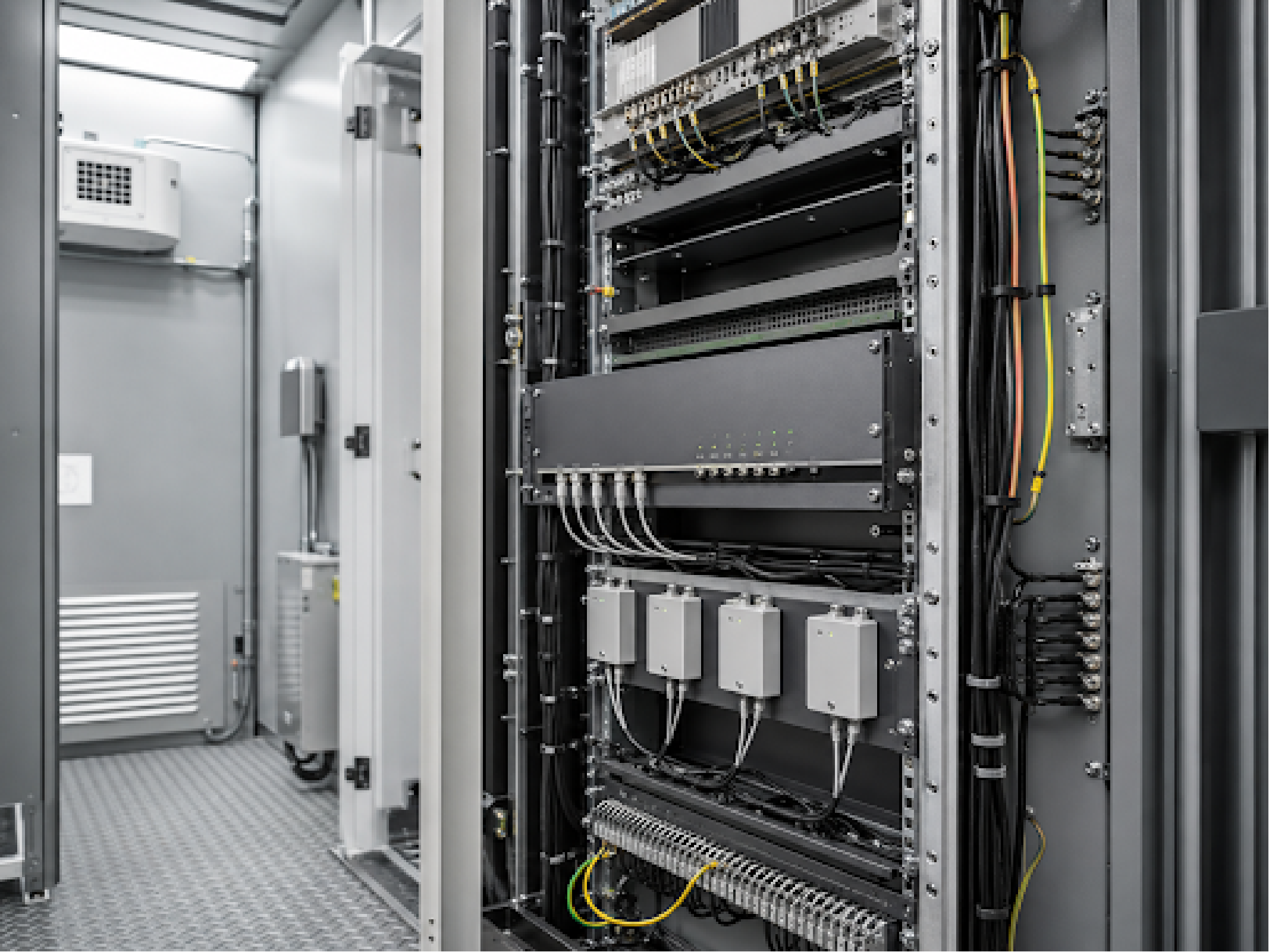
Cell tower sites face temperature extremes, humidity swings, and water intrusion that can damage radio equipment and cause service outages. DPS Telecom provides Remote Terminal Units (RTUs) and environmental sensors that continuously monitor conditions at your tower sites and alert you before problems impact service.
Talk to an Engineer | 800-693-0351
Founded 1986 | 172,800+ devices deployed | ISO 9001 certified | Made in Fresno, CA | 1,500+ organizations served
Cell tower equipment shelters house sensitive radio transmission gear, batteries, rectifiers, and switching equipment, all of which operate within specific environmental parameters. When an HVAC unit fails during summer heat or a water leak goes undetected at an unmanned site, the resulting damage can take a tower offline for hours or days.
Undetected HVAC System Failures A failed cooling unit can push shelter temperatures above safe operating limits within hours, accelerating battery degradation and shortening equipment life.
Water Intrusion and Condensation Roof leaks, condensation from temperature swings, or ground flooding can damage circuit boards and connectors. Many sites go days between visits.
Battery Damage from Heat Exposure Backup batteries are particularly sensitive to temperature. Sustained heat above recommended thresholds can reduce battery capacity and lifespan significantly.
Delayed Incident Response at Remote Sites Without continuous monitoring, environmental problems may go unnoticed until they cause equipment failure and a service-affecting outage.
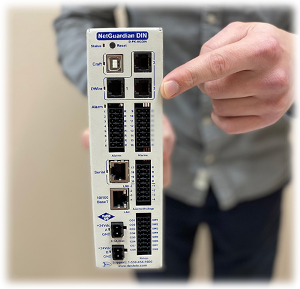
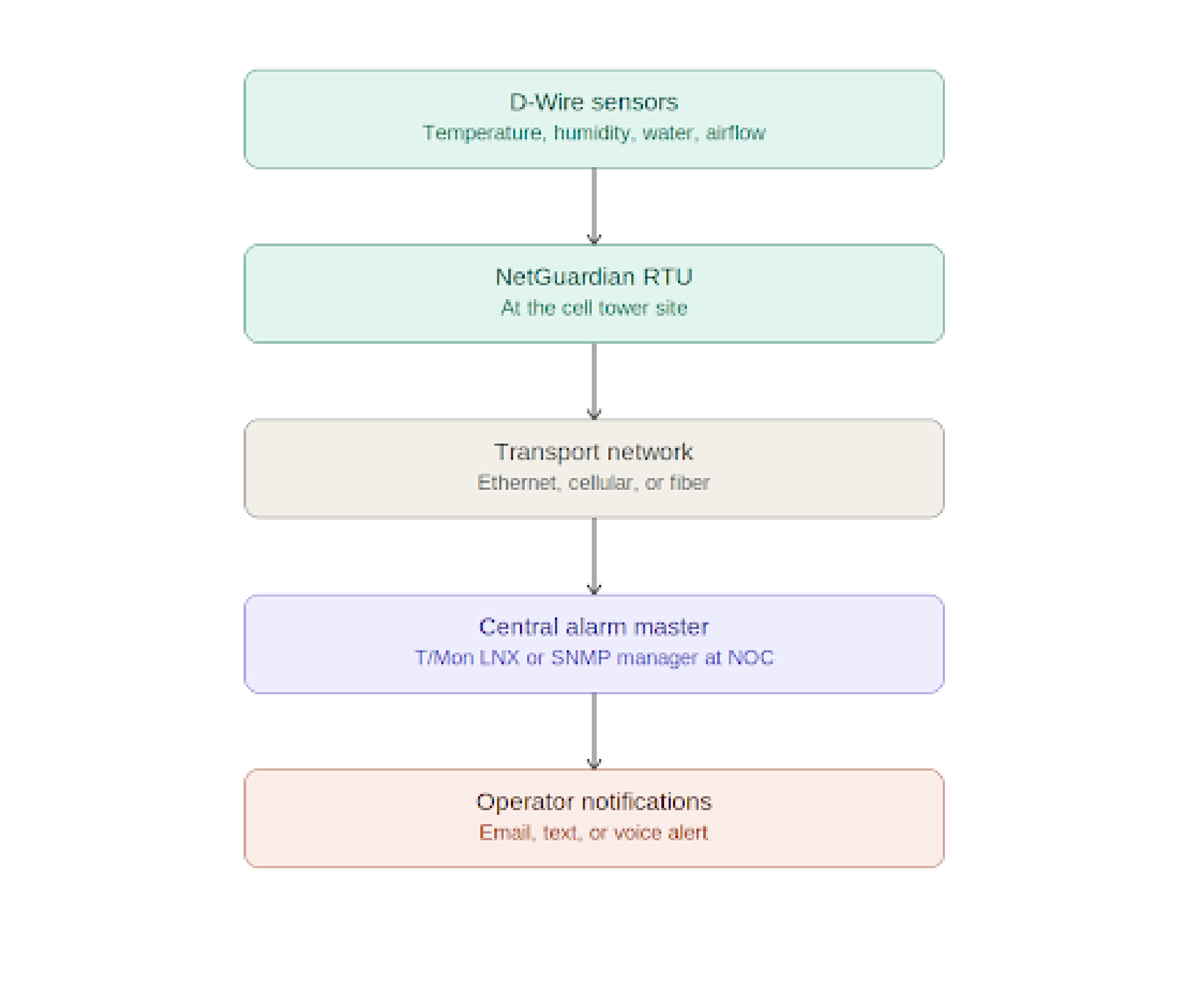
At DPS Telecom, we deploy a NetGuardian RTU at each cell tower site, connected to D-Wire environmental sensors that track temperature, humidity, water presence, and airflow. The RTU collects readings continuously, compares them against configurable alarm thresholds, and reports over your existing transport to a T/Mon LNX alarm master or your Simple Network Management Protocol (SNMP) manager at the Network Operations Center (NOC).
Talk to an Engineer | 800-693-0351
Each DPS Telecom cell tower monitoring deployment can be configured to track the specific environmental conditions that affect your equipment and service reliability.
| Continuous Temperature Monitoring | D-Wire temperature sensors track shelter and outdoor temperatures with configurable high and low alarm thresholds, helping you catch HVAC failures and heat events before they affect equipment. |
| Humidity and Condensation Detection | Relative humidity sensors identify conditions that promote condensation on circuit boards and connectors, giving you time to respond before moisture causes damage. |
| Water Intrusion and Flood Detection | Rope-style and spot water sensors can be placed at floor level, under cable entry points, and near HVAC drain lines to catch leaks and flooding at their earliest stage. |
| HVAC and Airflow Verification | Airflow sensors confirm that cooling systems are running and circulating air. Paired with temperature monitoring, they help you distinguish between an HVAC failure and a temporary spike. |
| Door Access and Physical Security | Door contact sensors and access control systems log who enters and exits the equipment shelter, with immediate alerts for unauthorized access attempts at unmanned sites. |
DPS Telecom offers a complete equipment stack for cell tower environmental monitoring, from the RTU at the site to the central alarm master at your NOC.

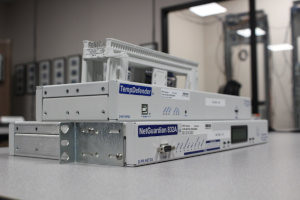
NetGuardian 832A
Deployed at each cell tower site, the NetGuardian 832A collects environmental data from connected sensors, monitors discrete alarm contacts, and reports to your central master via SNMP.
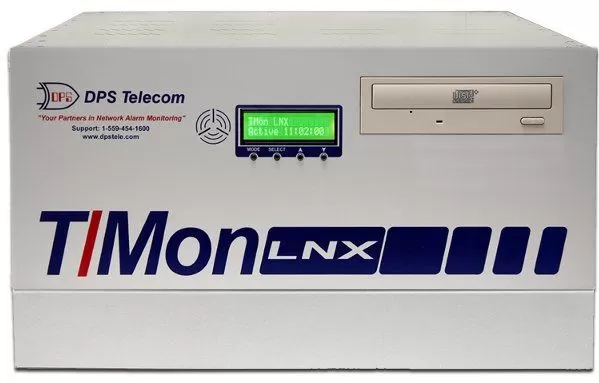
T/Mon LNX
Serves as the central alarm master at your NOC, collecting environmental and equipment alarms from all tower sites into a single geographic map view with automatic notification escalation.
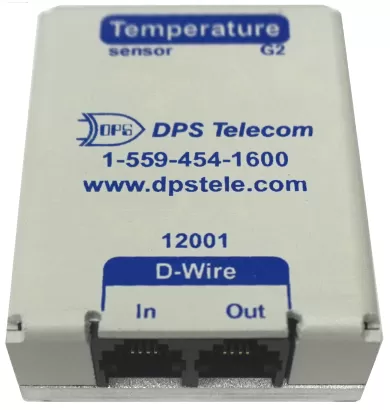
D-Wire Environmental Sensors
Plug-and-play sensors that connect to NetGuardian RTUs and monitor temperature, humidity, airflow, water presence, and other conditions inside and around cell tower equipment shelters.
DPS Telecom equipment integrates with whatever monitoring infrastructure you already have. If you run an existing SNMP manager, our NetGuardian RTUs can report directly to it via SNMP v1, v2c, or v3. If you need to bring older tower equipment under the same umbrella as new environmental sensors, our T/Mon LNX alarm master handles 30+ protocols in a single interface.
| Custom Engineering at No Extra Cost | DPS Telecom can modify RTU configurations or develop new sensor integrations to match your exact requirements. Orders over approximately 11 units include custom engineering at no additional cost. |
| Free Lifetime Technical Support | When you call DPS, you reach the engineers who designed your equipment. Our support team holds computer science and engineering backgrounds, backed by senior engineers with decades of experience. |
| Risk-Free Evaluation and Warranty | Evaluate our equipment in your environment with a 30-day loaner program. Every unit ships with a 2-year hardware warranty, and our money-back guarantee means you can return it if the solution does not meet your requirements. |
| Made in Fresno, CA | ISO 9001 Certified** |
Talk to an Engineer | 800-693-0351
Sprint PCS (Wireless Telecom) Cell Site Alarm Monitoring Across a Wireless Network Sprint PCS deployed DPS Telecom equipment for cell site alarm monitoring across their wireless network, using NetGuardian RTUs to collect site-level alarms and environmental data from distributed tower locations. Read the Full Case Study
U.S. Cellular (Wireless Telecom) Remote Generator and T1 Monitoring at Cell Sites U.S. Cellular implemented DPS Telecom RTUs for remote generator and T1 monitoring at their cell tower sites, gaining visibility into power and transport conditions without dispatching technicians. Read the Full Case Study
PTCI (Telecom Cooperative) Cell Site and Central Office Monitoring PTCI, a telecom cooperative, deployed DPS Telecom NetGuardian RTUs and T/Mon for monitoring across their cell sites and central offices, consolidating environmental and equipment alarms into a single management platform. Read the Full Case Study
Temperature, humidity, water intrusion, airflow, and smoke are the most common. Some operators also monitor door access, vibration, and battery voltage as part of their environmental baseline.
Yes. NetGuardian RTUs support cellular connectivity via an external GSM/CDMA gateway, making them suitable for tower sites where wired backhaul may not be available.
NetGuardian RTUs report environmental sensor data over SNMP v1, v2c, or v3, making them compatible with any standards-based SNMP manager.
Custom projects can typically ship within 90 days from concept to a field-ready trial unit. Standard configurations may ship sooner.
The NetGuardian RTU sends an alarm notification to your T/Mon master station or SNMP manager, which can then trigger email, text, or voice alerts to the on-call technician based on your escalation rules.
DPS Telecom has helped wireless carriers, telecom cooperatives, and tower operators protect their cell site equipment since 1986. Our 30-day loaner program, 2-year warranty, money-back guarantee, and free lifetime tech support make it easy to evaluate and deploy a monitoring solution with zero risk.