Download our free Monitoring Fundamentals Tutorial.
An introduction to Monitoring Fundamentals strictly from the perspective of telecom network alarm management.
1-800-693-0351
Have a specific question? Ask our team of expert engineers and get a specific answer!
Sign up for the next DPS Factory Training!
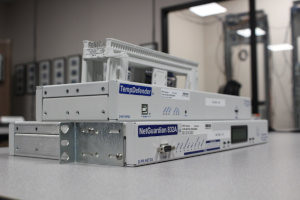
Whether you're new to our equipment or you've used it for years, DPS factory training is the best way to get more from your monitoring.
Reserve Your Seat TodayWhether you need to integrate another company's network systems or your own set of isolated systems, the net result can be the same: different systems, monitoring different parts of your network, and none of these systems will work together.
If you have to work with multiple network monitoring systems, you already know all the headaches that are involved:
| Find out more about the TMon/IAM integrated monitoring system product details | Sign up for a free TMon/IAM demonstration via web conferencing | Integrated Monitoring Applications |
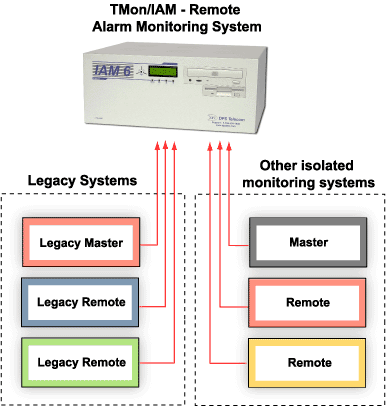
In this application, two isolated systems are joined with a single multiprotocol system. Your entire network is monitored from a single screen, creating a uniform and integrated alarm monitoring platform that provides best-quality visibility of your entire network.
And you can achieve this level of integration just by replacing the masters - the TMon/IAM integrated monitoring system supports both isolated systems. Your current remotes stay in place, and you don't have to do a forklift swap out of embedded equipment.
Find out more about the TMon/IAM integrated monitoring system product details |
Sign up for a free TMon/IAM demonstration via web conferencing |
Integrated Monitoring Applications |