How to Select a Remote Temperature Monitoring Solution
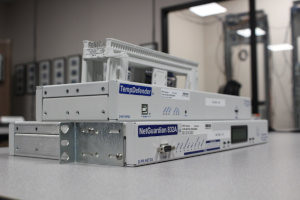
Make your remote temperature monitoring more effective by choosing a remote monitoring system with these key features:
- Live analog monitoring: You can't adequately monitor temperature with one-threshold discrete alarms. To get effective visibility of remote site temperature, look for a system with four-threshold analog inputs, including live monitoring of actual temperature levels.
- Support for other environmental alarms: You need to monitor more than temperature. Make sure your next system monitors all your remote site environmental factors, including humidity, flooding, power and security.
- Integrated support for monitoring your whole network: Temperature and other remote site environmentals can't be viewed separately from your whole network. Look for a system that can also monitor your revenue-generating equipment like switches, routers, microwave radios, and more.
Checklist: Essential Remote Monitoring Features
Remote temperature monitoring is just the start of what you should be looking for in a remote network alarm monitoring system. Here's a handy checklist of all the essential features you should look for. Print this checklist out and use it to rate the systems you're evaluating. If a system can't meet these basic requirements, cross it off your list.
Critical alarm collection and device management functions
- Control relays: High temperature alarms and other remote site problems like power outages, can be quickly solved remote operation of on-site equipment like air conditioning and generators. Remote operation of site devices is the best way to eliminate unnecessary site visits and it's a lot faster than going in the truck.
- Multiprotocol support for your existing devices: Make sure your next master system collects alarms from all your existing devices, including your older legacy gear. You can get rid of all your specialized consoles and monitor your network from one screen.
- Back-up dial-up reporting: Don't rely on your primary network to bring back alarms. If anything goes wrong with your transport, you'll lose your telemetry data just when you need it the most. Look for a system that supports dial-up alternate path reporting.
- SNMP support and ping alarms: If you're responsible for both telecom and IP equipment, consolidate all your monitoring on one system.
Essential alarm sorting and analysis functions
- Custom combination alarms: A low battery isn't a serious problem, and neither is a failed generator - but they're pretty serious when the happen at the same time. Look for a remote monitoring system that can watch many different alarm inputs and spot critical alarm combinations.
- Alarm sorting: A large, complex network can create a cascade of alarms. Some are unimportant, but others are critical. Look for a remote monitoring system that can automatically sort and prioritize this flood of information for you.
- Root cause analysis: Finding the underlying cause between alarm cascades can take hours of patient detective work. Look for a remote monitoring system that can automatically correlate repeated combinations of alarms.
- Nuisance alarm filtering: Even the best NOC staff stops taking alarms seriously if they're bombarded with status alerts, oscillating conditions, and unimportant alarms. Look for a remote monitoring system that filters these out.
- History and trend analysis: Identify problem areas and eliminate recurring problems with a remote monitoring system that keeps a complete alarm history that's exportable for trend analysis.
Key alarm presentation and notification functions
- Alarm correction instructions: Detailed instructions included in alarm notifications ensure that system operators, without extra training, will know precisely what to do and who to call if an alarm happens.
- Pager and e-mail notifications: Pager and e-mail notifications let your field techs respond to alarms while they're still in the field, speeding repairs and reducing windshield time. Look for a remote monitoring system with SMS support, which can send detailed alarm notifications to alpha pagers, cell phones, and PDAs.
- Detailed alarm notifications: Summary "major/minor" alarms don't give you enough information to make dispatch decisions. Look for a remote monitoring system that includes detailed diagnostic information in each alarm.
- Web interface: Everybody knows how to use a Web browser. A Web interface makes sure all your field techs can access your alarm system, from any computer from any location.
This is just a checklist of basic remote monitoring functions. If you want to find a remote monitoring system that meets and exceeds your requirements, just let us know.