Download our free SCADA tutorial.
An introduction to SCADA from your own perspective.
1-800-693-0351
Have a specific question? Ask our team of expert engineers and get a specific answer!
Sign up for the next DPS Factory Training!
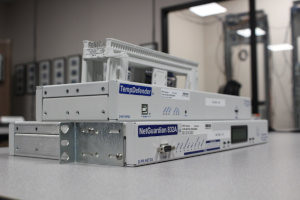
Whether you're new to our equipment or you've used it for years, DPS factory training is the best way to get more from your monitoring.
Reserve Your Seat TodaySCADA communication network infrastructure is a core component of a Monitoring System.
SCADA communication can happen in a number of ways. For SCADA communication networks, early SCADA communication took place over radio, modem, or dedicated serial lines. Today, it is much more common for SCADA communications to travel over LAN or SONET.
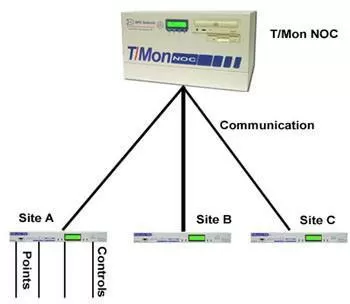
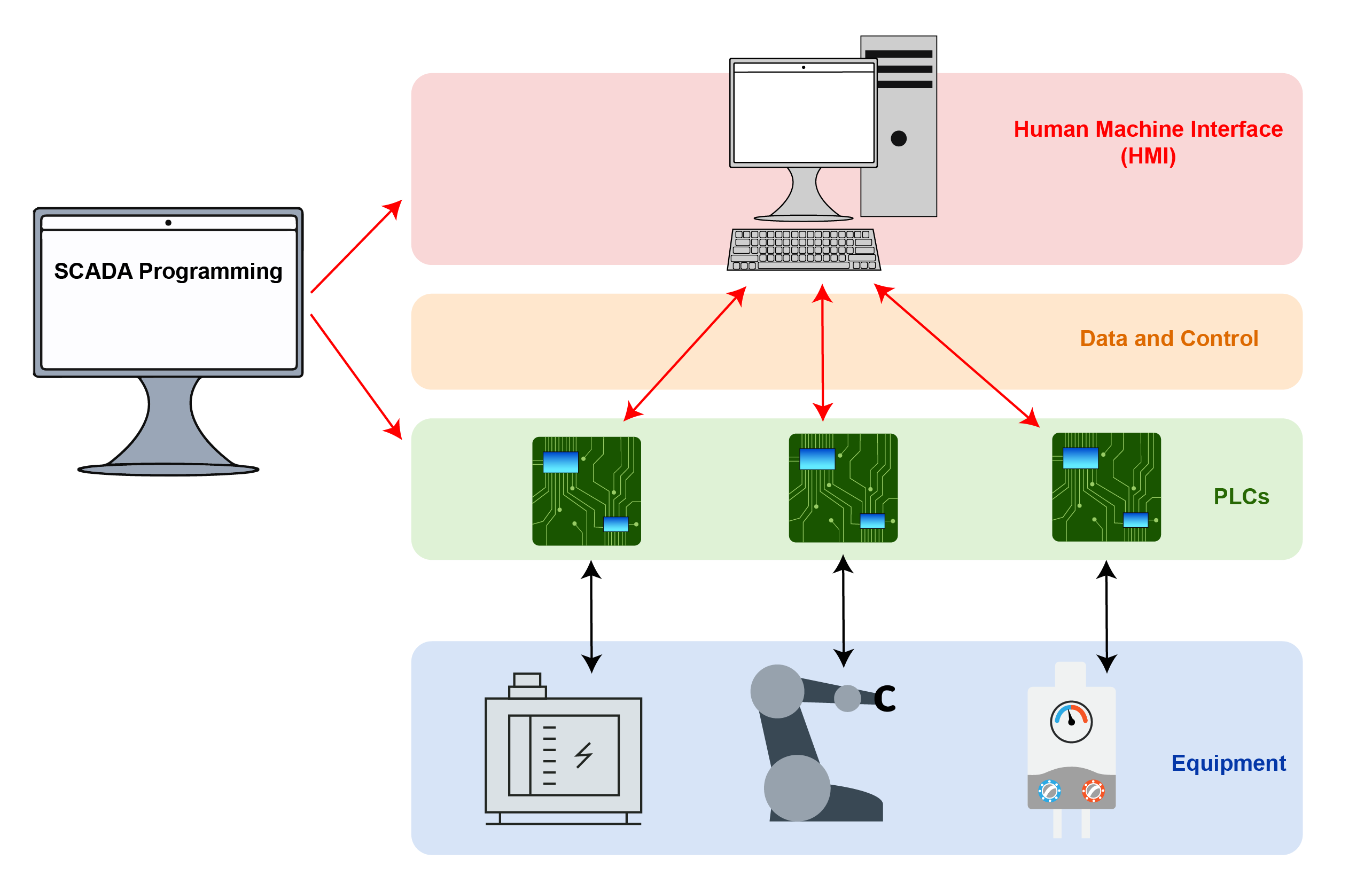
The process of communication over a SCADA system involves several different SCADA system components. These components ensure smooth operation across the SCADA communication network. These include the sensors and control relays, RTUs, master units, and the overall network.
Smarter RTUs make your SCADA set up easier. In any SCADA communication network, each of these parts are needed for good SCADA communication. A system can monitor alarms and status updates within the network only when all of the underlying components function well. For more complete monitoring of SCADA communications, you can use smarter RTUs with special processing abilities.
The RTU is where most SCADA is grouped in the system. Values from inputs and outputs, referred to as SCADA points, are sent from single sensors to the RTU. Through a SCADA communication network, the RTU is tasked with sending these SCADA notes to the master station, or HMI.
The HMI is the component of the SCADA communication system that takes all of the data from the RTUs across the network. Then, it converts it into a form that is readable by humans. This allows for easy interactions within the SCADA communication network. Network staff examine the SCADA communications in the sorted HMI view. With good situational awareness, they can respond to network alarms appropriately.
SCADA can contain sensitive data, so it is important to use secure LAN networks when transmitting data to RTUs and the master station. Securing your SCADA communication network is crucial for operational safety. However, LAN can cost a lot to install at remote sites, and it may not be feasible for an company to immediately join all of their remote sites into the LAN network. What's most important is knowing the risks in your industry and having a good security plan.
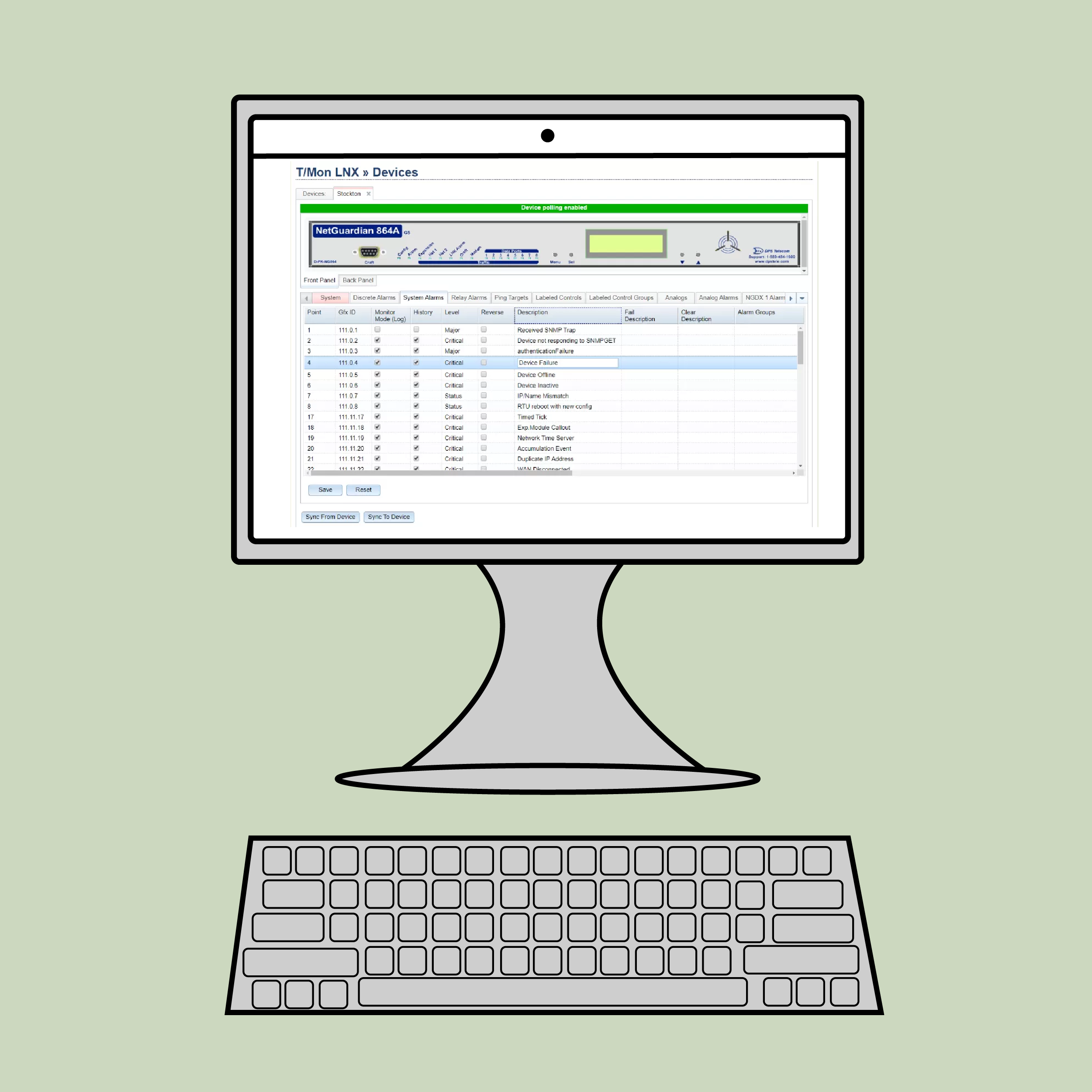
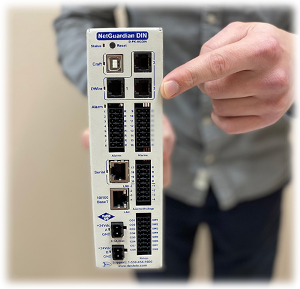
Using NetGuardian 832A RTUs gives you the ability to switch out your SCADA system slowly. They support older transports like serial (RS232 or RS485), but also support LAN. This allows your SCADA communication network to adapt and grow as your infrastructure evolves. This means that you can transmit SCADA communication over the LAN as your network expands outward.
The NetGuardian is designed to talk over several connection types (LAN, serial, and dial-up). This allow you to simply switch your RTU device to the LAN port when LAN is available at your site. Such flexibility is needed for maintaining an efficient SCADA communication network. This provides a cost-effective communication solution. You can then expand LAN over several billing cycles while still using your existing SCADA communication equipment.
Resources Related to SCADA Tutorials:
SCADA Tutorial White Paper.
All DPS Telecom products include comprehensive technical support. If you've purchased one of our products and are encountering any kind of issue, contact DPS Tech Support today at 559-454-1600.
At DPS Telecom, the representative who answers your call isn't an intern reading from a script. DPS Tech Support representatives are engineers who contribute to product development. And, if your problem requires additional expertise, the DPS Engineering Department that designed your product is right down the hall.
Help us connect you to the right engineer by filling out this quick questionnaire. Simply leave your contact information to get started, and we'll call you back. Most preliminary discussions are about 15 minutes, and afterward, we'll send you a custom application diagram of a recommended solution that'll make it easier to justify your project to management.