Download our free Monitoring Fundamentals Tutorial.
An introduction to Monitoring Fundamentals strictly from the perspective of telecom network alarm management.
1-800-693-0351
Have a specific question? Ask our team of expert engineers and get a specific answer!
Sign up for the next DPS Factory Training!
Whether you're new to our equipment or you've used it for years, DPS factory training is the best way to get more from your monitoring.
Reserve Your Seat TodayOne of the primary methods to reduce your network vulnerability is by implementing an environmental monitoring system. This is highly important as your essential remote site equipment can be brought down by environmental factors like high temperature, humidity, flooding, fire, and so on. To monitor these effectively, your environmental monitoring equipment must support full four-threshold analog alarms. You also need to be able to control on-site protective equipment like HVAC and fire suppressors.For example, if you can catch an air conditioning failure early, you can intervene. You can start repairs and rebuild the remote site environment before equipment goes into thermal shutdown or the site goes dark.
It is also important to make sure that you have monitored backup power for your environmental monitoring equipment. This equipment is typically AC-powered, and it is often overlooked in power backup plans that only provide for DC power.
When it comes to environmental monitoring, it is important to have these features within your system:
While discrete alarms are the most common type of remote monitoring alarm, they are not best suited for environmental monitoring. For environmental monitoring that involves adjustable conditions such as temperature and humidity, analog alarms are best.
Analog alarms connected to common current sensors provide visibility of constantly variable conditions. These include humidity, temperature, and battery voltage. These external conditions can have critical effects on essential equipment. During a service-affecting outage, you need all the information you can get.
One of the primary advantages of using analog alarms for environmental monitoring is their ability to monitor the escalation of the analog values. This gives you insight as to how fast the temperature is rising or dropping, allowing you to better dispatch technicians.
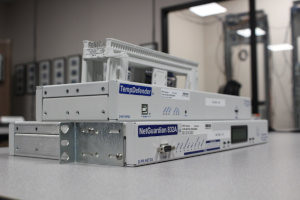
Call DPS Today to see how NetGuardian 832A will provide effective environmental monitoring for your network